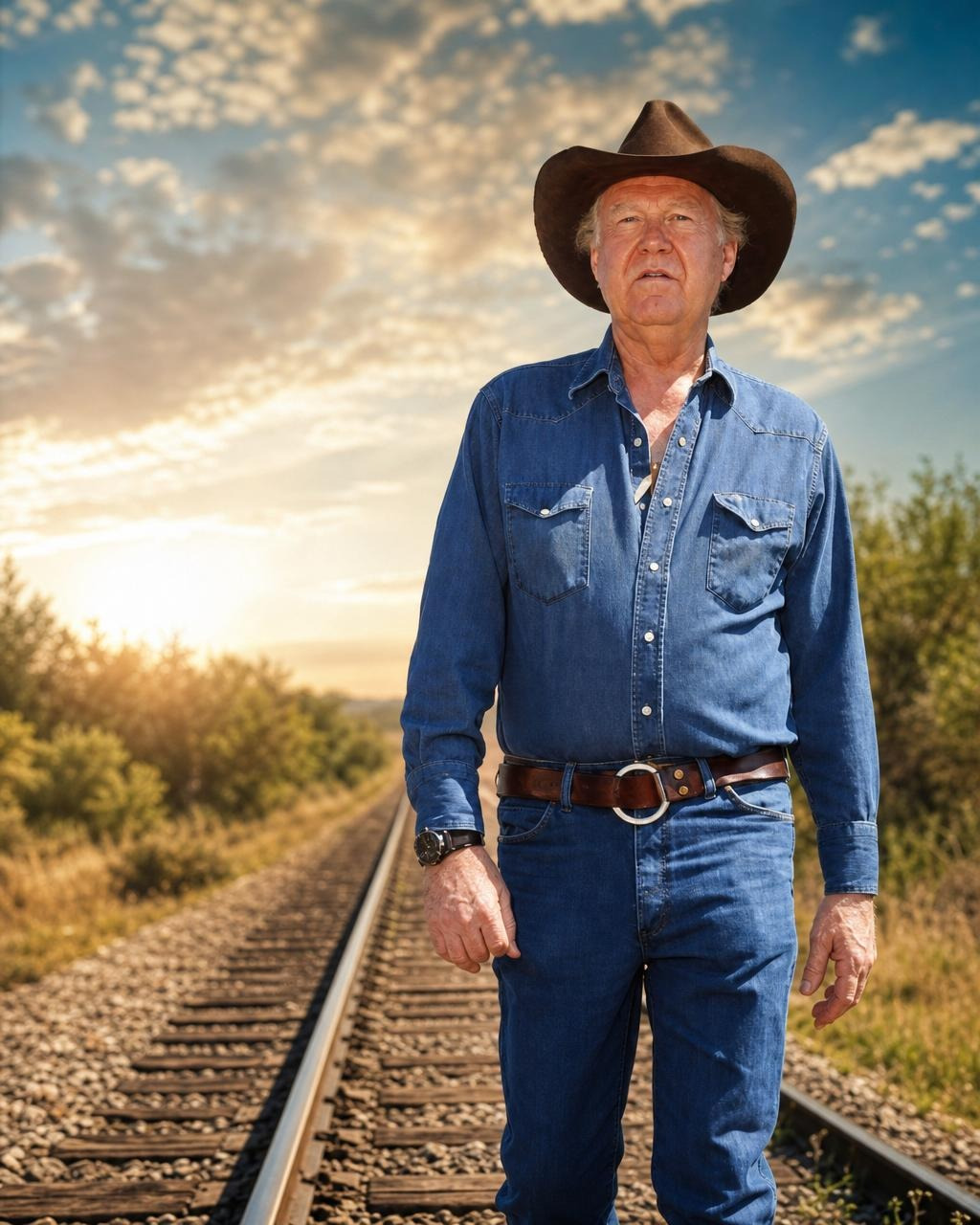
Billy Joe Shaver, a Texas Bar, and the Trial That Gripped a Music Legend
On March 31, 2007, an afternoon outside Papa Joe’s Texas Saloon in Lorena, Texas, turned into one of the most talked-about moments in Billy Joe Shaver’s long, rough, unforgettable life. At 70 years old, the outlaw country songwriter walked out of the bar and shot a man named Billy Bryant Coker in the face with a .22 pistol.
The shooting stunned fans and made headlines far beyond Texas. Billy Joe Shaver was already known as a hard-living artist with a reputation for telling the truth as he saw it, no matter how messy it sounded. But this was different. This was not a lyric, not a legend, not a barroom tale from one of his songs. It was a real criminal case that would follow him for years.
A Night That Changed Everything
According to Billy Joe Shaver, Billy Bryant Coker had pulled a knife on him. That was Billy Joe Shaver’s version from the beginning, and he never stepped away from it. But witnesses remembered the scene differently, and the disagreement became central to everything that followed. What happened in those moments outside the saloon was disputed, and the details were argued again and again in court.
One line said to have been spoken by Billy Joe Shaver before he pulled the trigger became part of Texas folklore. It was the kind of line people repeated because it sounded like something from a movie, but the consequences were not theatrical at all. Billy Bryant Coker was injured, Billy Joe Shaver was charged, and a legal battle began that would last for three years.
Three Years Under the Weight of a Charge
Billy Joe Shaver was charged with aggravated assault and faced up to 20 years in prison. For a man in his seventies, that charge carried enormous weight. It meant uncertainty, public scrutiny, and the possibility that the final chapter of his life might be written inside a prison cell rather than on a stage.
For three years, the case hung over him. During that time, Billy Joe Shaver remained a figure of fascination. Some saw him as a stubborn survivor who had lived by his own code. Others saw a man who had crossed a line. The truth was left to the courtroom.
The Waco Courtroom Verdict
In April 2010, Billy Joe Shaver stood in a Waco courtroom and waited for a jury to decide his future. The trial drew attention because of Billy Joe Shaver’s fame, but also because of the people who showed up to support him. Willie Nelson sat in the front row. Robert Duvall took the stand and told the jury that Billy Joe Shaver would never have fired unless he truly believed he was in danger.
“He believed he was about to die.”
The prosecutor offered a very different picture, arguing that Billy Joe Shaver was not a honky-tonk hero but a honky-tonk bully. The jury listened, weighed the evidence, and returned a verdict in less than two hours: not guilty.
What Happened Afterward
Outside the courthouse, Billy Joe Shaver spoke with the same mix of grit and humor that had long defined his public image. He told reporters he hoped he and Billy Bryant Coker could become good enough friends that Billy Bryant Coker would give him his bullet back. Then, instead of disappearing into silence, Billy Joe Shaver drove to Houston and played music all night.
It was a strange ending to a deeply serious story, but maybe that was the point. Billy Joe Shaver lived like someone who always expected life to hit hard and keep moving. His trial did not erase the controversy, but it did close the legal chapter that had shadowed him for three years.
In the end, the case became part of the larger Billy Joe Shaver story: a Texas singer, a courtroom, a near-mythic reputation, and a final verdict that let him leave as free as he had arrived.