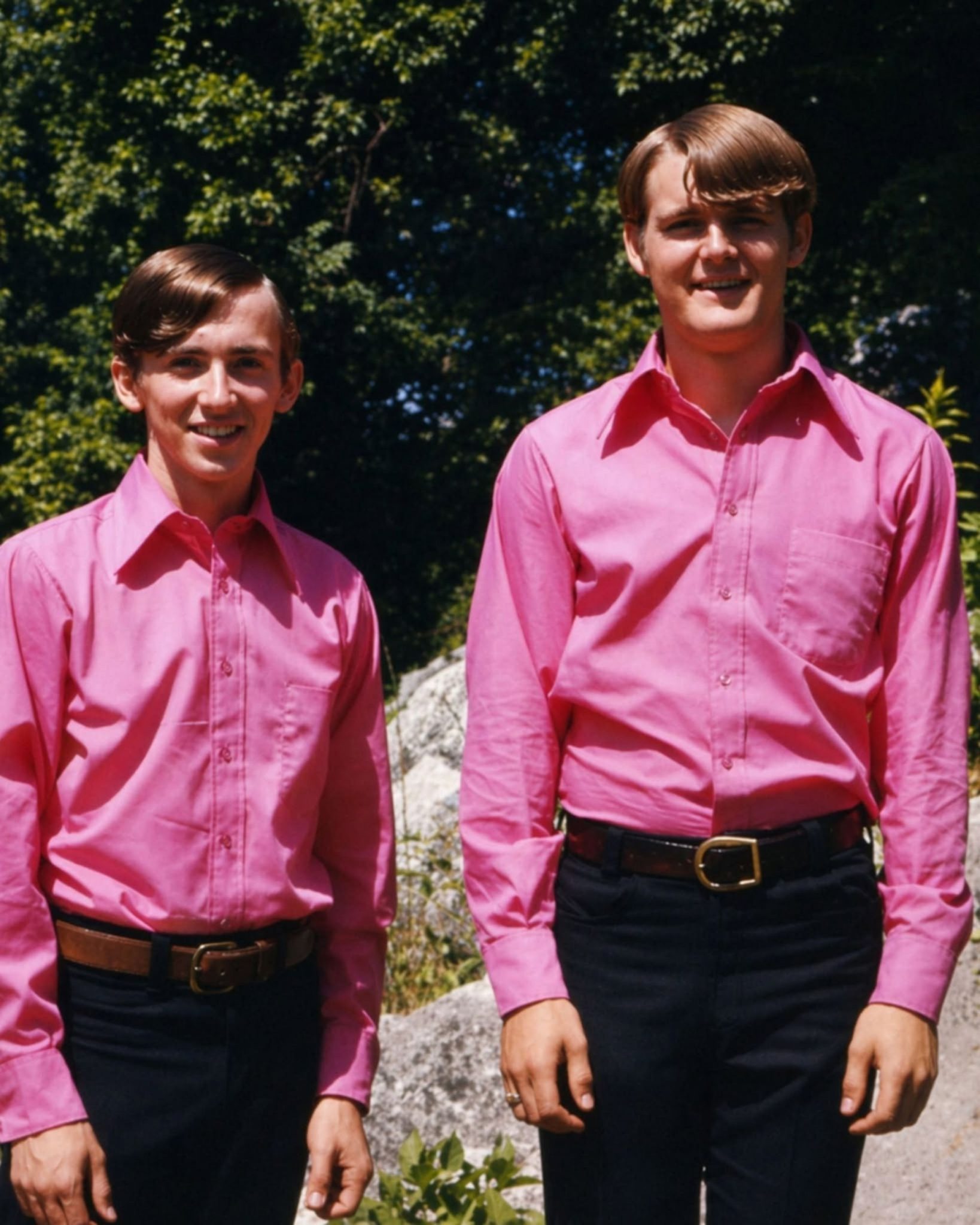
The Night Ralph Stanley Heard the Past in Two Teenagers
It was 1970 in Fort Gay, West Virginia, and Ralph Stanley was already running late before he ever reached the stage. A flat tire had slowed him down on the way to a gig, and by the time he walked into the club, the crowd had been waiting for 45 minutes. People were restless. The room needed music, and music was already there.
When Ralph Stanley stepped inside, he heard something that stopped him cold. From the stage came the sound of the Stanley Brothers. Not a record, not a memory, but a living, breathing version of the old songs he had built his life around. Yet Carter Stanley had died in 1966. The voice carrying those harmonies was impossible, and that made it even more startling.
Two teenagers had taken over the room: Keith Whitley, 15, and Ricky Skaggs, 16. They had no introduction and no announcement. They simply picked up their instruments and began singing the songs they knew by heart, filling dead air with bluegrass the way young musicians sometimes do when they trust the music more than the moment. For the crowd, it was a surprise. For Ralph Stanley, it was something deeper.
He stood there and listened closely. The sound was raw, young, and honest, but it carried a familiar ache. Ralph Stanley later said they sounded just like him and Carter in the early days. That was not small praise. Coming from Ralph Stanley, it meant those teenagers had touched the center of the tradition, not just the surface.
“They sounded just like me and Carter in the early days.”
Ralph Stanley did not leave them to wonder if the moment had mattered. He hired both of them on the spot. In a single evening, two Kentucky boys went from passing time on a stage to stepping into the long shadow of one of bluegrass music’s greatest legacies.
For Keith Whitley, that night was only the beginning of a path that would carry him through the hard lessons of the road and into the company of serious players like J.D. Crowe and the New South. He learned how to stand in front of a crowd, how to carry a song, and how to put real feeling into every line. Later, in Nashville, that same voice would become one of country music’s most unforgettable instruments.
Long before “Don’t Close Your Eyes” became the song people would remember him for, Keith Whitley was already building the kind of voice that could make a room go quiet. The story of that night in Fort Gay is not just about discovery. It is about inheritance, timing, and the strange way great music finds the people who are meant to carry it forward.
Ralph Stanley heard more than a performance that evening. He heard the past speaking through the future. And in two teenagers from Kentucky, he recognized the same fire that had once driven the Stanley Brothers themselves.