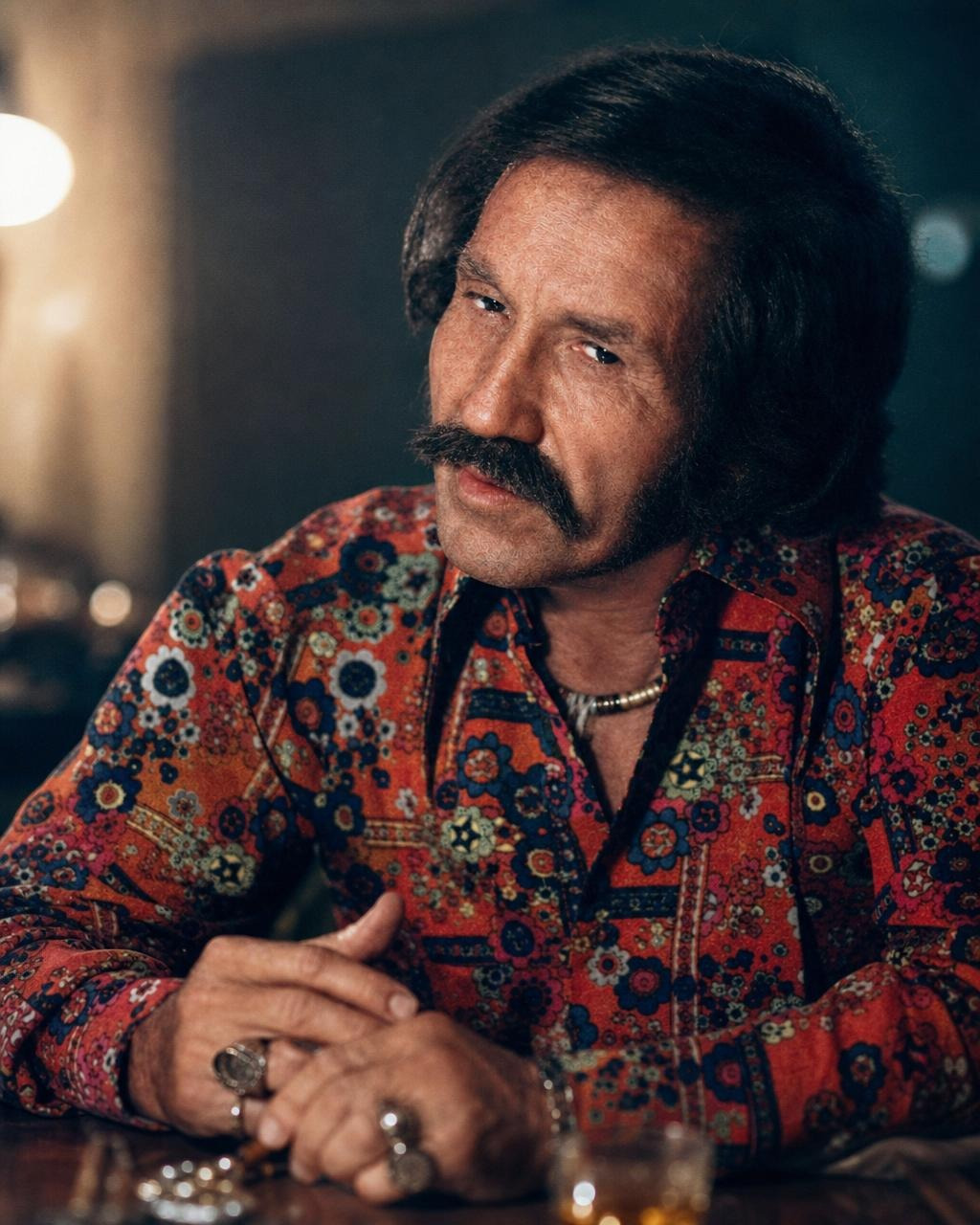
Marty Robbins: The Voice That Turned the West Into a Song
In 1982, country music gave Marty Robbins one of its highest honors: induction into the Country Music Hall of Fame. For many fans, it felt long overdue. Marty Robbins had already spent decades building a legacy that was bigger than a hit parade. He was not only a singer, but a storyteller, a performer, and a man who could make the American West feel alive inside a three-minute record.
A Singer Who Painted With Sound
Marty Robbins was born in Arizona, and that landscape seemed to live inside his music. He sang about desert roads, lonely riders, gunfights, heartbreak, and men who never made it home. Songs like “Big Iron” and “El Paso” were not just popular records; they were vivid scenes. Listeners did not simply hear them. They saw them.
That was part of Marty Robbins’ gift. He could take a simple melody and give it the feel of a full story. His voice carried both warmth and danger, both tenderness and dust. He made the West feel romantic, but never easy. There was always a price to pay in his songs, and that honesty kept people listening.
“El Paso” became the song most closely tied to Marty Robbins’ name, and for good reason. It had love, jealousy, regret, and tragedy, all wrapped into one unforgettable ballad.
More Than One Kind of Legend
Marty Robbins was also known for being larger than the studio. He had a strong love of stock car racing and often brought the same fearless energy to the track that he brought to the stage. Fans admired that about him. He did not seem like a distant star. He seemed like someone who lived hard, worked hard, and put real feeling into everything he touched.
Across his career, Marty Robbins gave country music a wide range of classics. “A White Sport Coat” captured youthful heartbreak with charm and simplicity. “My Woman, My Woman, My Wife” showed a softer, deeply personal side. Yet no matter the style, his songs always felt grounded in human experience. That is why they endured.
The Final Year
In 1982, the Hall of Fame honor should have felt like a victory lap. Instead, it became the final chapter. After suffering a serious heart attack and undergoing surgery, Marty Robbins died on December 8, 1982, at the age of 57. The loss hit fans hard. It felt sudden, especially for someone whose music had seemed so permanent.
That same year, Marty Robbins released one last single titled “Some Memories Just Won’t Die.” The title now feels haunting in the best and saddest way. It sounds less like a song title and more like a statement about his entire career. Marty Robbins is one of those artists whose work stays with people long after the last note fades.
Why Marty Robbins Still Matters
Some artists are remembered for a voice. Some are remembered for a style. Marty Robbins is remembered for both, but also for something more: atmosphere. He could make listeners believe in the world he was describing. Whether he was singing about love, loss, or the lonely road ahead, he made every detail feel real.
Country music finally placed him where he belonged in 1982. But for fans, Marty Robbins had been there all along. He was already a legend by the time the Hall of Fame caught up. And even now, decades later, his songs still ride on, carrying the same dust, drama, and feeling they always did.
Marty Robbins did not just sing about the West. He helped people hear it, see it, and remember it.