Barbara Mandrell’s Remarkable Range: The Performer Who Could Do It All
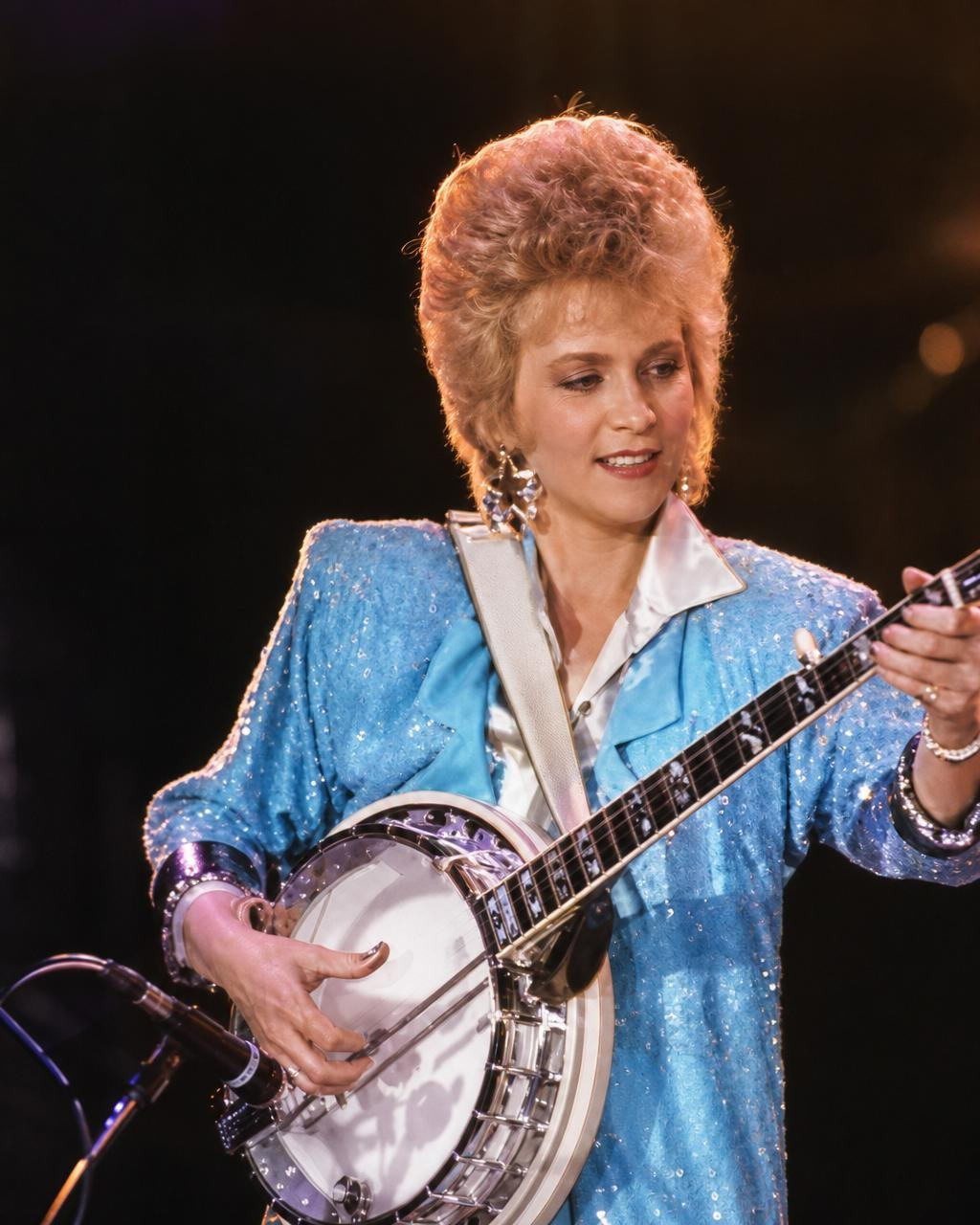
Barbara Mandrell never fit neatly into one category, and that was exactly the point. Onstage, she could move from one instrument to another with the kind of confidence that made the whole room lean in. One moment, she might be driving a song forward on banjo. The next, she could set it down, pick up a lap steel guitar, and make the room feel completely different in an instant.
That kind of versatility was not a gimmick. It was the result of years of hard work, discipline, and a deep connection to music that started early. Barbara Mandrell was already performing as a child, and by the time she was a teenager, she had stepped into professional music with unusual seriousness. At just 13 years old, she toured with Patsy Cline not as a fan in the audience, but as a steel guitar player on the road. For a young musician, that was an extraordinary responsibility.
A Musician First, a Star Always
Barbara Mandrell built her reputation on talent that could not be reduced to one skill. She played more than 10 instruments during her career, and audiences never knew exactly what surprise she would bring next. That was part of the thrill. She did not simply sing a song; she seemed to enter it from every angle.
One of the most memorable images of Barbara Mandrell is her live performance energy. She could walk on stage, grab a banjo, and launch into Dueling Banjos with her guitar player answering every note. The exchange felt playful, sharp, and alive. The crowd would be locked in, waiting for the next twist.
Then came the moment that showed just how far her artistry reached. Barbara Mandrell could set the banjo down, lift up a lap steel guitar, and move into My Baby’s Coming Home with total ease. The transition was seamless, as if the instrument had simply been waiting for her hands.
Breaking Ground in Country Music
Barbara Mandrell did not just entertain audiences; she changed expectations. She was the only woman ever inducted into the Steel Guitar Hall of Fame, a recognition that reflected both her technical skill and her place in country music history. In a field where women were often expected to sing and leave the picking to someone else, Barbara Mandrell proved that the stage could belong to her in every possible way.
Her accomplishments went beyond musicianship. She won CMA Entertainer of the Year twice and became the first person ever to do so. That was not a small detail. It meant Barbara Mandrell was not just admired within country music; she was setting the standard for what a top-level performer could be.
Some performers sing. Some play. Barbara Mandrell did both, and then kept going.
Why Her Story Still Matters
What made Barbara Mandrell unforgettable was not just the number of instruments she could play. It was the sense that she treated every performance like a full conversation with the audience. She listened, responded, surprised, and delivered more than anyone expected.
That is why her name still stands out. Barbara Mandrell was not built on one viral moment or one signature song. She built a career on range, discipline, and a kind of quiet command that few performers ever achieve. She walked onstage with the confidence of someone who knew exactly what music could do, and she made sure the audience felt it too.
Barbara Mandrell’s legacy is simple to admire and hard to match: she was a singer, a player, a trailblazer, and a true original.