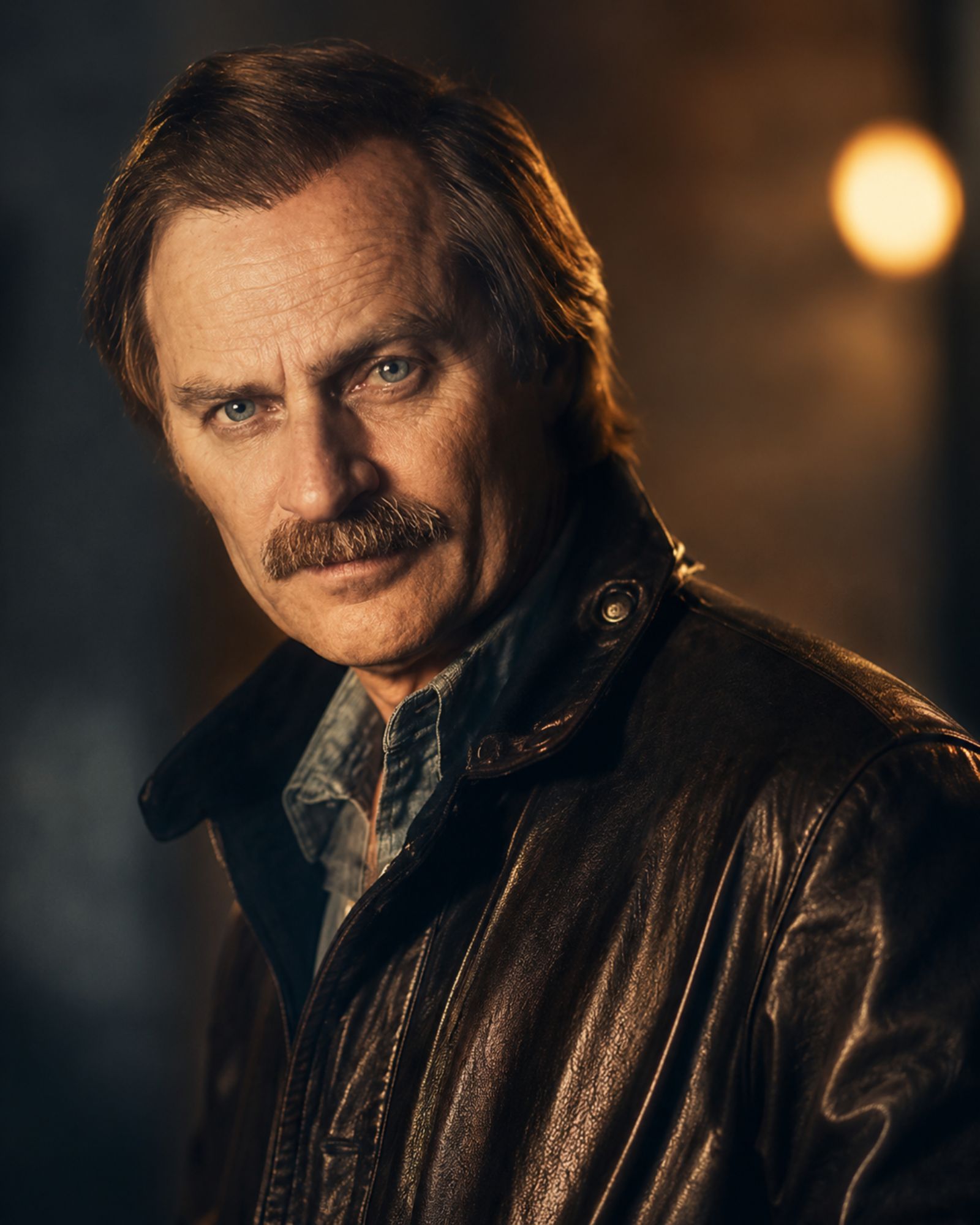
He Survived a Quintuple Bypass, Then a Stroke, Then Another. And Still, Nashville Hasn’t Found Room for Vern Gosdin
They called Vern Gosdin “The Voice.” Not as a marketing trick, and not because someone in a suit decided it sounded good on a poster. They called him that because, from the first phrase he sang, country music knew it was hearing something rare. Vern Gosdin did not just sing heartbreak. He sounded like a man who had already lived through it, sat with it, and then found a way to put it into song.
That kind of voice does not come from polish. It comes from pain, patience, and a life that did not always go easy. Vern Gosdin carried all of that in every record he made. He was never the flashiest star in the room, but he was often the one everyone remembered after the lights went down.
A Voice Built on Hard Truth
Born in Alabama and raised in the working rhythms of Southern life, Vern Gosdin came up through the kind of music that valued honesty over image. He did not sound manufactured. He sounded worn in, the way a favorite leather jacket feels after years of use. That is part of why his records still matter. They do not feel performed. They feel confessed.
His career moved through different eras of country music, and he never quite fit the neat boxes Nashville likes to build. Vern Gosdin was too emotional for the cool crowd and too refined for those who wanted only rough edges. He lived in that difficult middle space where real artistry often ends up: admired deeply, but not always rewarded properly.
The Body Began to Fail, But the Music Did Not
In 1990, Vern Gosdin faced a quintuple bypass. For many people, that would have been the end of any dream involving long days, packed travel schedules, and the pressure of the road. But Vern Gosdin was not built to quit. He recovered, regrouped, and kept going.
Then, in 1998, another blow came with a stroke. It was the kind of setback that can silence even the strongest performer. But again, Vern Gosdin kept writing. Kept recording. Kept showing up in the only way he knew how: through the songs.
There is something deeply moving about artists who keep creating when the world has already started to move on. Vern Gosdin never seemed interested in becoming a nostalgic shadow of himself. He was still trying to make something honest. Still trying to tell the truth in three minutes and a chorus.
40 Years of the Voice
In 2008, Vern Gosdin released 40 Years of the Voice, a 101-song box set that felt less like a product and more like a final accounting. It was the kind of release that says, without saying it directly, “Here is what I made. Here is what I lived. Here is what I leave behind.”
It was a powerful reminder that Vern Gosdin’s career had never been about hype. It was about songs that stayed with people. Songs that understood regret, longing, loss, and the quiet dignity of enduring them. While the industry was busy chasing trends, Vern Gosdin was still speaking to the parts of life that never stop mattering.
That box set was not just a celebration. It was a statement. Vern Gosdin was making sure nothing was left unsaid.
The Final Stroke and the Final Goodbye
In April 2009, while preparing for more shows, Vern Gosdin suffered another stroke. On April 28, at 74, he was gone.
It was the kind of ending that makes fans sit quietly for a long time. Not because it was shocking that time had caught up with him, but because it felt impossible that a voice so alive could simply fall silent. His death closed a chapter, but it did not close the emotional space he had carved out in country music.
Tammy Wynette once said he was the only singer who could stand next to George Jones. Emmylou Harris said they did not call him “The Voice” for nothing.
Those words matter because they came from artists who understood the difference between fame and greatness. Vern Gosdin was not just respected. He was recognized by peers who knew exactly how hard it is to sing a life truthfully.
Why Isn’t Vern Gosdin in the Country Music Hall of Fame?
And still, for all the admiration, all the beautiful recordings, all the evidence of his influence, Vern Gosdin is not in the Country Music Hall of Fame.
That absence feels strange. Not because every beloved artist must be formally honored to matter, but because some omissions are so glaring they become part of the story themselves. Vern Gosdin helped define what emotional country singing could sound like. He influenced listeners, musicians, and anyone who believed a voice could carry a lifetime inside it.
Maybe that is the hard truth about great artists: the room does not always make space for them when they arrive. Sometimes recognition comes late. Sometimes it comes unevenly. And sometimes the public remembers a voice long after the institutions have looked the other way.
The Voice Still Stands
Vern Gosdin’s legacy is not fragile. It lives in the songs that still stop people in their tracks, in the singers who learned that vulnerability can be powerful, and in the listeners who know the difference between singing notes and telling the truth.
Maybe Nashville has not found room for Vern Gosdin in the way many believe it should. But country music itself already made the larger decision. It kept him. It kept the ache in his phrasing, the grace in his restraint, and the unmistakable feeling that he was singing from a place most people only visit in private.
Some voices are remembered because they were loud. Vern Gosdin is remembered because he was real.
And real, in the end, is harder to forget.