The Doctors Did Everything They Could. Charley Pride Just Wanted to Sing One More
A Night That Meant More Than Anyone Knew
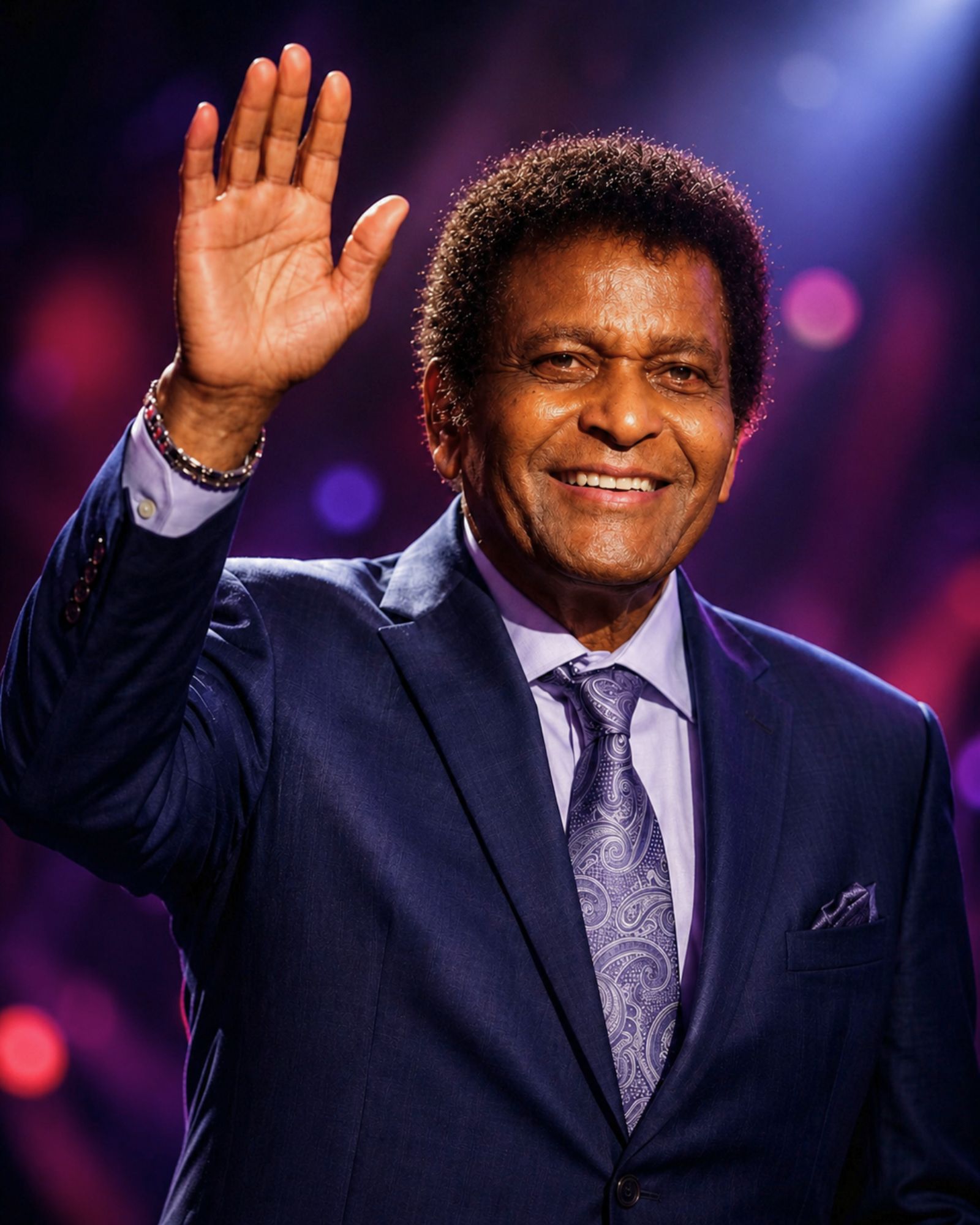
On November 11, 2020, Charley Pride walked onto the CMA stage in Nashville with the calm presence of a man who had already earned his place in country music history. He was 86 years old, honored with the Willie Nelson Lifetime Achievement Award, and greeted like the legend he had become. The room was full of respect, admiration, and gratitude.
Then Charley Pride did what he had always done best. He sang.
When he performed “Kiss An Angel Good Mornin’”, the crowd heard more than a familiar hit. They heard a voice that had crossed generations. They heard the sound of a sharecropper’s son from Mississippi who had fought his way into a genre that did not always make room for him, and who still stood there decades later with the same steady confidence.
Nobody in that room knew they were watching his final performance.
The Man Behind the Music
Charley Pride’s story was never only about fame. It was about persistence, dignity, and a deep love for music that kept him moving forward even when the road was difficult. Long before the standing ovations and award shows, he had a life shaped by hard work and determination. He understood struggle. He understood rejection. He understood what it meant to keep going anyway.
That is part of why people loved him so deeply. Charley Pride never sang like someone asking for permission. He sang like someone who had already earned the right to be heard.
His voice carried warmth and strength at the same time. It felt familiar, even to people meeting him for the first time through a radio speaker or television screen. Over the years, he became more than a chart-topping artist. He became proof that talent, grace, and courage could open doors that once seemed closed forever.
Charley Pride did not just sing country music. Charley Pride helped expand what country music could be.
When the Final Illness Came
Weeks after that Nashville appearance, news spread that Charley Pride had contracted COVID-19. Fans across the country held their breath and hoped for good news. But by December, the heartbreaking update arrived: Charley Pride had died in Dallas at the age of 86.
The loss landed heavily because the November performance was still fresh in everyone’s mind. People could still see him standing on that stage. They could still hear that voice, steady and full, as if he were not finishing a chapter but beginning another one.
That is what made the sadness feel so sharp. Charley Pride had not seemed finished. He had seemed ready for one more song, one more crowd, one more moment under the lights.
The Last Performance Feels Different Now
At the time, the performance was a celebration. After his passing, it became something more tender and painful: a final gift from an artist who gave everything he had to the microphone until the very end.
There is something deeply human about that. So many performers spend their lives chasing one more applause, one more encore, one more chance to connect. Charley Pride was no different. Even with all his accomplishments, he still carried the heart of a singer who wanted to keep reaching people.
That is why the final image lingers. It is not only the award. It is not only the applause. It is the way Charley Pride seemed to stand at the center of his own story, still doing what he loved most.
A Legacy That Still Sings
The doctors did everything they could, but in the end, there are some things medicine cannot measure. It cannot measure devotion to music. It cannot measure the pull of a stage. It cannot measure how deeply a song can live inside a person.
Charley Pride’s legacy remains powerful because it was built on more than records and trophies. It was built on courage, consistency, and a voice that never lost its soul. He opened doors by simply walking through them with confidence. He inspired listeners who saw themselves in his journey and others who learned something new from his example.
Even now, when “Kiss An Angel Good Mornin’” plays, it does more than bring back memories. It brings back a feeling. The feeling that Charley Pride was still here, still singing, still reaching for the next note.
That is the lasting ache of his final performance. Charley Pride did not seem to be saying goodbye. He seemed to be asking for just one more song.
And for a moment, on that November night in Nashville, the world let him have it.