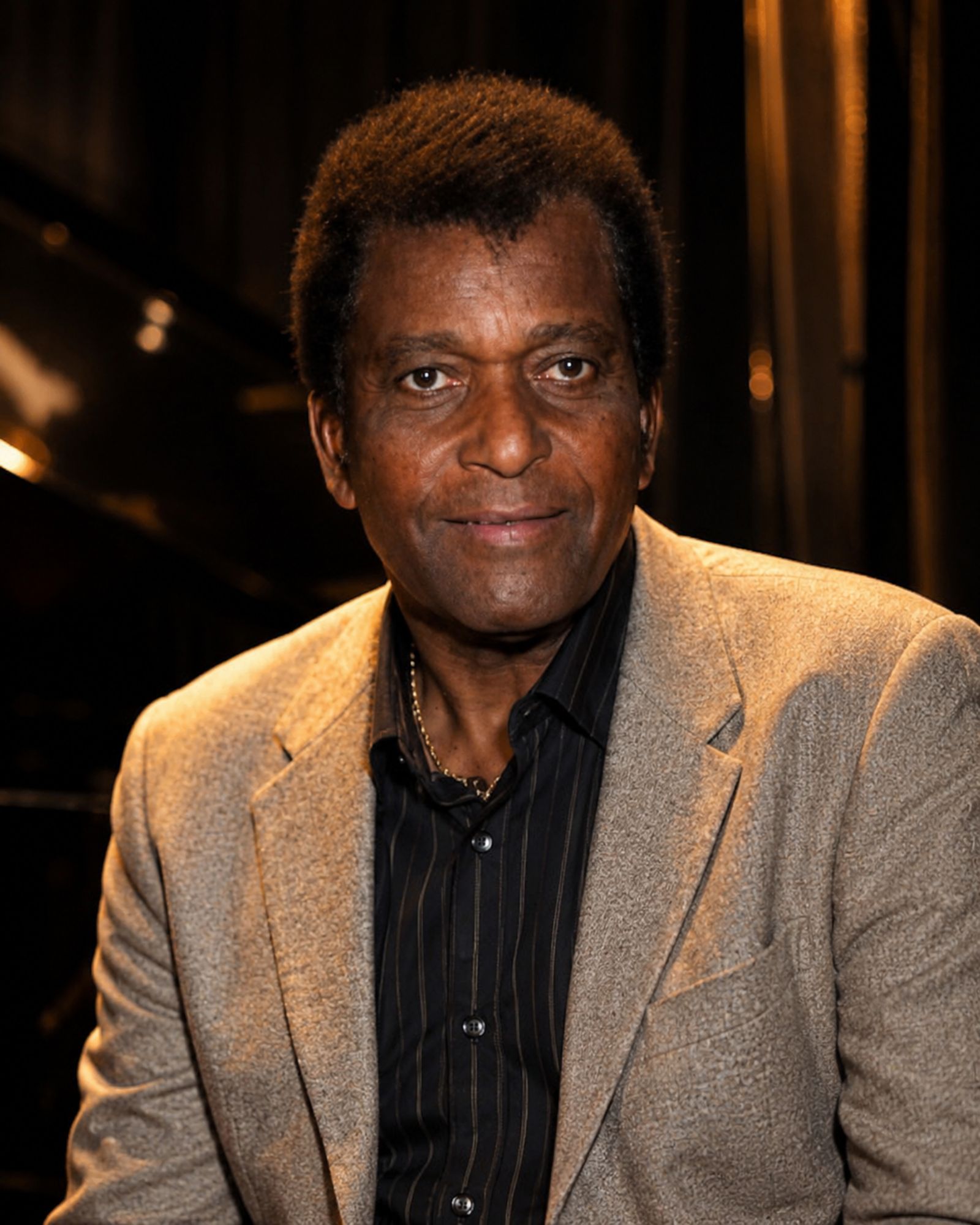
Before Charley Pride, Country Music Said It Loved Everyone. It Just Never Proved It.
In 1966, country music was still telling itself a comforting story. It was a music of ordinary people, open hearts, and honest feelings. It said it belonged to everyone. But the truth was more complicated, more careful, and far less brave.
Then Charley Pride walked onto a Nashville stage and changed the conversation without ever asking permission.
He came from Sledge, Mississippi, with a voice that did not sound like a compromise. It sounded certain. It sounded rich, warm, and steady, the kind of baritone that made people stop talking in the middle of a room. He did not arrive with speeches or slogans. He did not come to lecture the industry into being better. He came to sing, and that was enough.
A Voice That Arrived Before the Image
At first, the record label made a cautious decision. RCA released Charley Pride’s early singles without putting his photo on the cover. The fear was simple and ugly: listeners might reject the songs if they knew the singer was a Black man. That decision says a lot about the times, and even more about the quiet courage Charley Pride had to carry.
But something unexpected happened. People heard the records first. They heard the tone, the control, the sincerity. They heard a singer who knew exactly how to tell the truth inside a melody. By the time they saw his face, the music had already settled into their lives.
They could not unhear what they loved.
Charley Pride Did Not Ask to Be an Exception
What made Charley Pride so remarkable was not just that he broke through a barrier. It was that he did not seem to shrink under the weight of being the first. He did not perform his difference for applause. He did not build his career around controversy. He built it around craft.
There is something powerful about a person who belongs so fully that others eventually have no choice but to catch up. Charley Pride did not enter country music as a guest. He arrived as an artist whose work demanded a place at the table.
Audiences responded because the songs were real. His voice carried heartbreak, longing, pride, loneliness, and joy in a way that felt deeply human. That was the quiet revolution. He made country music confront the fact that emotion does not belong to one race, one background, or one image.
The Industry Changed Only Because It Had To
Country music liked to imagine itself as open-minded, but Charley Pride exposed how limited that openness had been. The audience had to be shown that a Black man could sing country and sound absolutely at home in it. Once they heard him, the argument collapsed.
He went on to earn three CMA Awards and twenty-nine No. 1 hits, a run that did more than build a résumé. It created history. It proved that acceptance was not a favor being granted. It was something the music had to earn by facing itself honestly.
And Charley Pride did not need to raise his voice to do it. His success was not loud in the way protest can be loud. It was louder than protest in another way: it was undeniable.
Charley Pride did not simply break a color line. He showed country music what it looked like when talent outran prejudice.
A Legacy That Still Matters
When Charley Pride died on December 12, 2020, country music lost more than a legend. It lost living proof that its future had once arrived earlier than its own conscience. His story remains important because it is not only about one man overcoming a system. It is about a system being forced to admit that it had been wrong about who could carry its greatest songs.
There are many ways to be remembered. Some artists are remembered for scandal, some for reinvention, and some for influence that fades with time. Charley Pride is remembered for something stronger: belonging. Not borrowed belonging, not temporary belonging, but the kind that comes from being so good that the room has to make peace with you.
That is why his story still resonates. It reminds us that representation is not just about showing a face. It is about letting the work speak long enough to change minds. It is about proving that excellence can force open doors that manners alone never will.
Before Charley Pride, country music said it loved everyone. Charley Pride was the one who made it prove it.