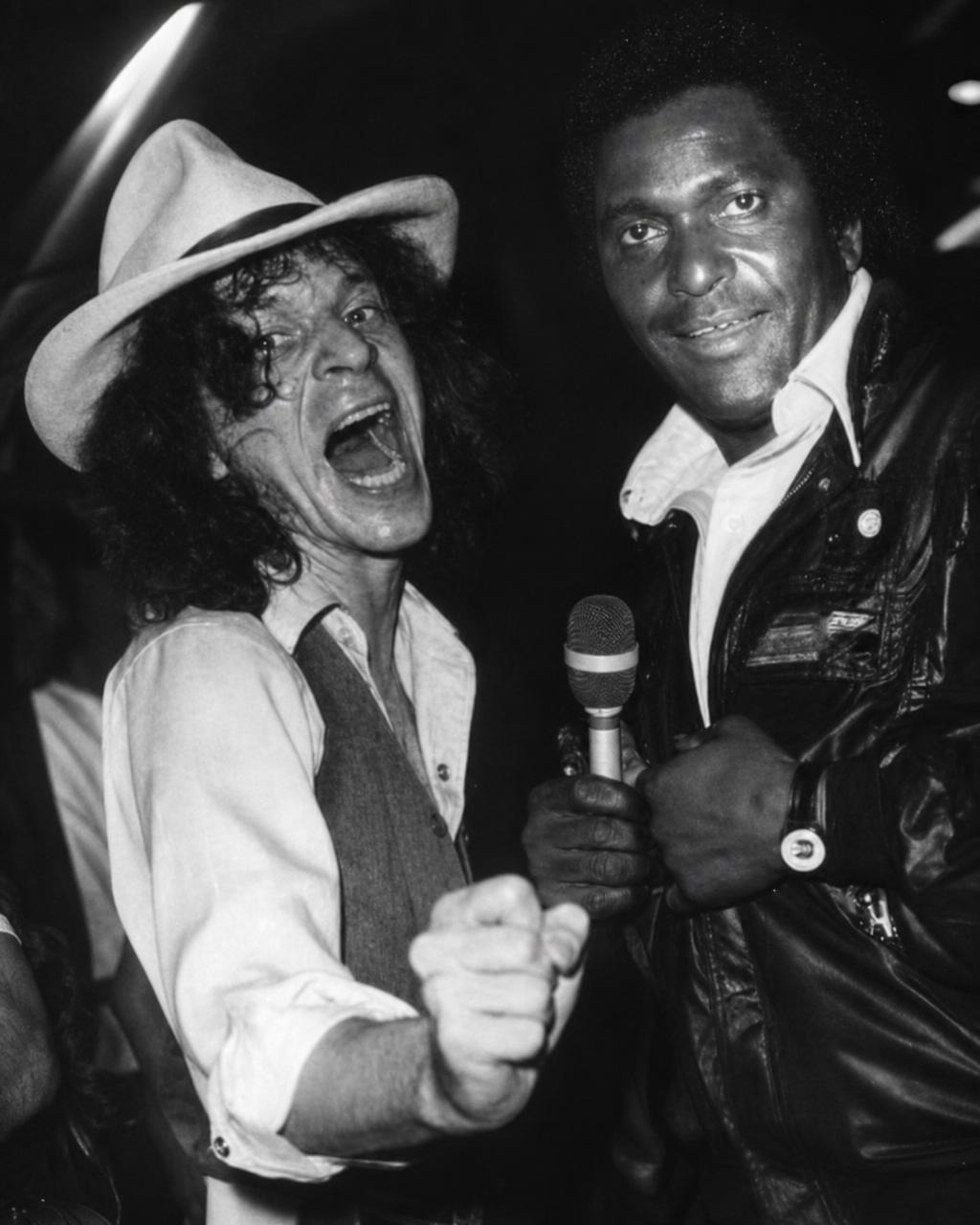
Gary Stewart and Charley Pride: The Strange, Powerful Bond Behind Two Country Legends
Country music has always loved an unlikely pairing, but few stories are as striking as the connection between Gary Stewart and Charley Pride. On paper, they seemed like opposites. Charley Pride was polished, poised, and groundbreaking, a towering figure who changed the face of country music forever. Gary Stewart was rough-edged, emotionally raw, and unforgettable in a completely different way, the kind of singer who sounded like he had lived every line before he sang it.
And yet, for a period of time, Gary Stewart played piano in Charley Pride’s band, the Pridesmen. You can even hear him on Charley Pride’s live double album In Person. That detail matters, because it places Gary Stewart inside one of the biggest country success stories in history, not as a bystander, but as part of the sound.
Two Men, Two Very Different Country Worlds
Charley Pride was a legend who carried himself with elegance and discipline. He became the first Black superstar of country music, a barrier-breaking artist with 29 number one hits and a career that stretched across five decades. He was one of RCA’s biggest-selling artists since Elvis Presley, and he earned that status through consistency, talent, and a deep respect for the genre.
Gary Stewart came from a different lane entirely. His voice was wild, trembling, and full of heartbreak. Time magazine called him the King of Honky Tonk, and that title fit because no one else quite sounded like him. He could sing with a whiskey-soaked ache that felt both damaged and honest, as if every note had a scar on it.
That contrast made their partnership fascinating. Charley Pride represented control and grace. Gary Stewart brought chaos, emotion, and danger. But instead of clashing, something remarkable happened: they found mutual respect.
The Nights That Changed Gary Stewart
When Gary Stewart joined Charley Pride’s band, Nashville had already begun to form its opinions about him. Stewart was the kind of artist who could impress people in one moment and unsettle them in the next. He was unpredictable, but he was also gifted enough that major names in music paid attention. Bob Dylan admired him. Willie Nelson called him a favorite. Those are not casual compliments. They are the kind of comments that tell you an artist had something rare.
Playing with Charley Pride gave Gary Stewart a different kind of education. He was standing next to a man who had mastered the hardest part of fame: staying steady while history watched. Night after night, Stewart saw how Pride led, how Pride carried the audience, and how Pride kept the show moving with calm authority.
Sometimes the most important lessons in music happen far from the spotlight, inside the band, where players learn how to trust each other without saying much at all.
Gary Stewart was not the type to become a polished replica of anyone else. He was too instinctive for that. But those nights with Charley Pride clearly left a mark. Pride kept Stewart close when Nashville was already beginning to turn away from him, and that kind of loyalty matters more than most people realize.
Respect That Went Beyond Image
What makes this story so compelling is that Charley Pride and Gary Stewart did not need to be alike in order to value each other. In country music, image often becomes a trap. Artists get boxed in as traditional, rebellious, classy, rowdy, clean-cut, or troubled. Charley Pride and Gary Stewart broke that pattern in their own ways.
Charley Pride carried dignity into rooms where he was never guaranteed respect. Gary Stewart carried pain, fire, and a voice that made listeners believe every line. One man opened doors for generations. The other made people feel what loneliness sounded like after midnight. Different tools, different journeys, same serious commitment to the music.
That is why the bond between them still feels powerful. It was not built on similarity. It was built on recognition. Charley Pride knew Gary Stewart was special. Gary Stewart understood the weight Charley Pride carried. In a business that often rewards image over character, that kind of mutual respect stands out.
A Legacy Worth Remembering
Today, fans still talk about Charley Pride as one of the greatest country artists ever, and rightfully so. His influence is huge, his catalog is legendary, and his place in music history is secure. Gary Stewart, meanwhile, remains one of the most distinctive voices country music has ever produced. His songs and performances still cut deep because they feel real in a way that cannot be manufactured.
But the story of Gary Stewart playing piano for Charley Pride adds another layer to both legends. It shows that behind the fame, behind the headlines, and behind the mythology, there was a moment when two very different men shared a stage and found common ground.
That is the kind of country music story people remember. Not just the hits, not just the rankings, not just the awards. It is the human connection. The late-night respect. The quiet understanding that one artist can help carry another through a difficult season.
Gary Stewart may have been known as the King of Honky Tonk, and Charley Pride may have been the superstar who changed the genre forever, but together they created a smaller, deeper kind of history. One that still echoes every time someone puts on In Person and listens closely.