Every Night the Crowd Rose for Charley Pride, and Every Night the Door Closed
There is something almost impossible to imagine about the rise of Charley Pride. Night after night, audiences stood on their feet and cheered for him. They wanted one more song. They bought the records, memorized the lyrics, and filled the venues to hear that rich, unmistakable voice in person. Under the stage lights, Charley Pride was a star. But when the show ended and the applause faded into the dark, the country he was entertaining reminded him exactly who it thought he was.
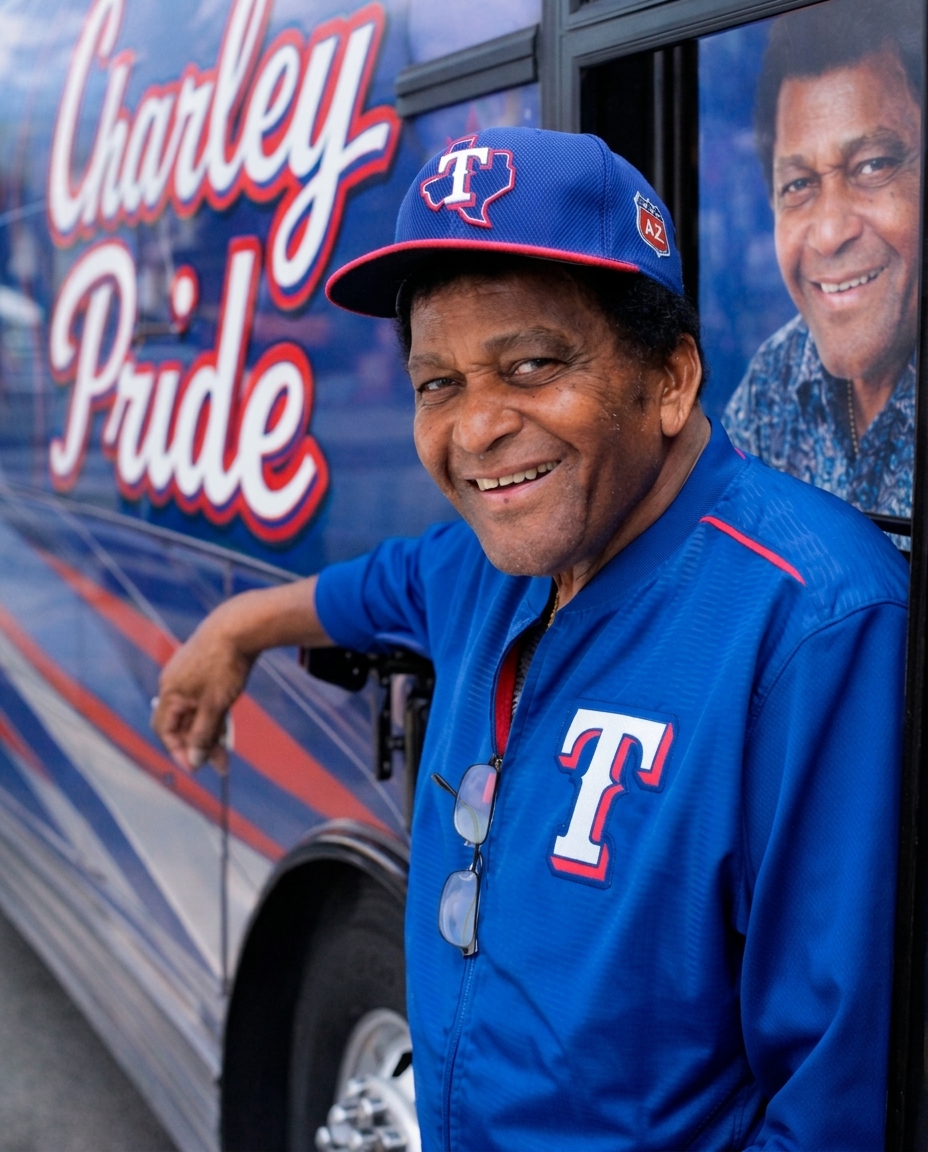
In the 1960s American South, talent did not erase the rules of segregation. Fame did not cancel cruelty. And success did not always buy dignity. While Charley Pride was becoming one of the most beloved voices in country music, many hotels still refused to accept him because he was a Black man. His white bandmates could walk through the lobby, collect their keys, and settle in for the night. Charley Pride often returned quietly to the tour bus.
The Same Tour, the Same Stage, the Same Songs
That contrast is what makes his story so powerful. Everyone on that tour traveled the same roads. Everyone stepped onto the same stage. Everyone helped create the same show. Yet when the work was done, the rules changed depending on the color of a person’s skin. It was not subtle. It was not complicated. It was simply the brutal normal of the era.
Imagine the emotional discipline that required. To sing your heart out for a room full of strangers, to hear them celebrate you, and then to be denied the most basic welcome just hours later. To carry that humiliation in silence and still walk back on stage the next evening with grace. That was the reality Charley Pride faced, and he faced it without turning bitter in public.
A Quiet Kind of Strength
One of the most remarkable things about Charley Pride was not only that he endured those moments, but the way he endured them. He did not build his legacy by shouting louder than the injustice around him. He built it by refusing to let that injustice define the limits of his future. He kept showing up. He kept singing. He kept doing the work.
That kind of strength can be easy to miss because it is not dramatic in the usual sense. It does not always come with a speech or a public confrontation. Sometimes it looks like exhaustion hidden behind professionalism. Sometimes it looks like a man sitting alone on a bus after giving thousands of people the performance of their lives. Sometimes it looks like choosing not to quit when quitting would have been completely understandable.
“I never let the color of my skin determine where my voice could go.”
That spirit carried Charley Pride further than anyone in those hotel lobbies could have imagined. Over time, he became more than a successful singer. He became a barrier-breaker in one of America’s most tradition-bound genres. Charley Pride sold more than 70 million records, earned 29 number-one hits, and became the first Black member of the Country Music Hall of Fame. Those are not just impressive numbers. They are a quiet answer to every closed door he faced along the way.
What Endured When the World Changed
There is a certain justice in the way history moved. The places that once would not offer Charley Pride a room eventually honored his name. Streets were named after him. Institutions celebrated him. Audiences that may never have understood the weight he carried still sang along to the music he gave them. Time did not erase what happened, but it did reveal how small that prejudice looked beside a life of lasting achievement.
The hotels are gone now, or changed, or forgotten. Their policies belong to a shameful chapter that the country still struggles to fully reckon with. But the voice remains. The songs remain. The image of Charley Pride walking onto a stage with calm confidence, knowing exactly what kind of world waited for him afterward, remains.
That is why his story still matters. Not just because he was great, though he was. Not just because he made history, though he did. It matters because Charley Pride showed what dignity looks like under pressure. He turned endurance into legacy. He outlasted the ugliness without ever letting it steal the beauty of what he had to offer.
And that may be the most lasting ovation of all.